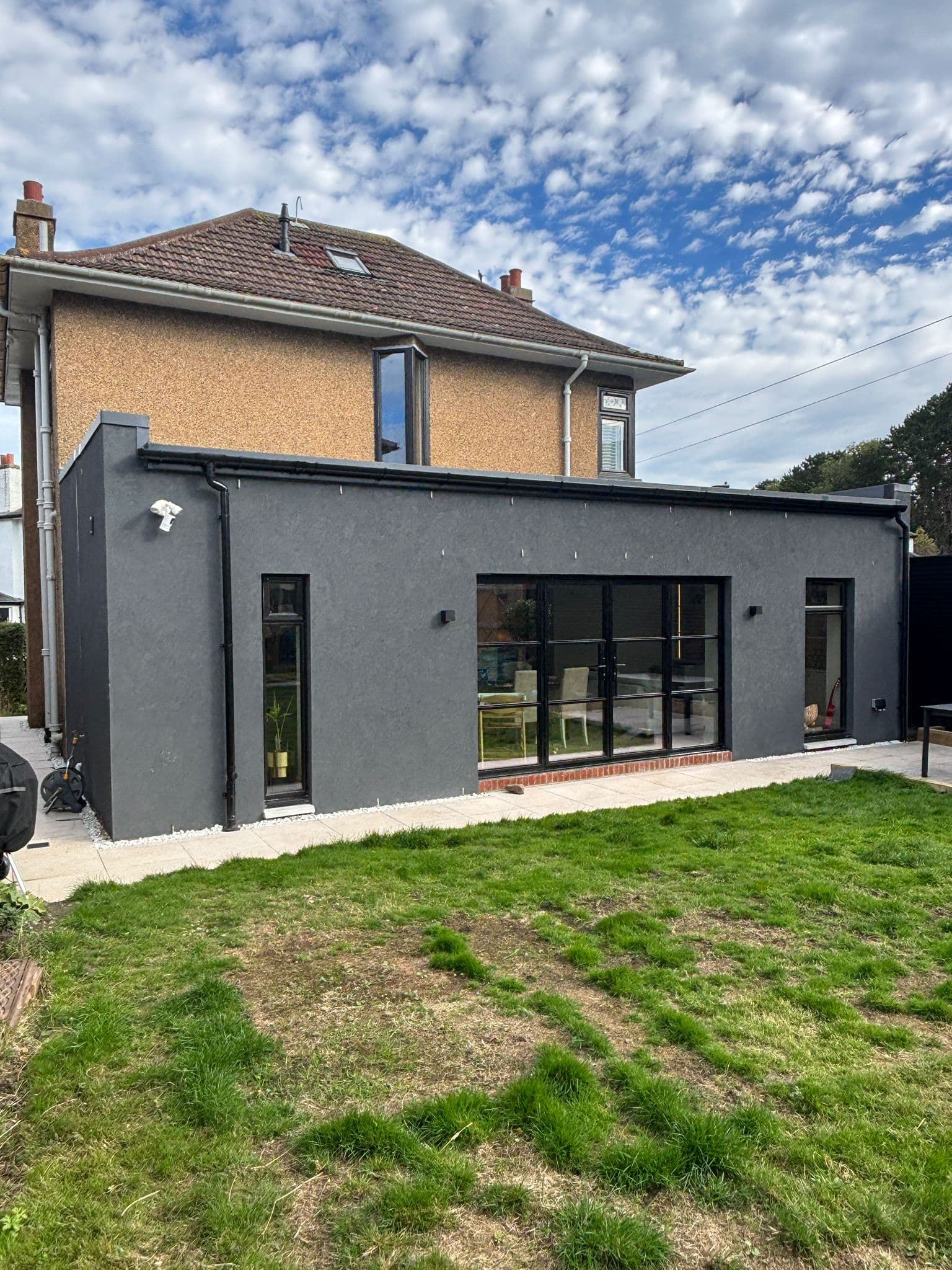
Variations on a Building Project: What They Are and How to Keep Them Under Control
Ask anyone who has been through a building project and they will tell you that the original price was not quite the final price. Usually, the reason is variations. They are a normal part of construction, but handled badly they cause more stress, delay and dispute than almost anything else.
This guide explains what variations are, why they happen and how a good client and contractor keep them under control together.
What is a variation?
A variation is any change to the work described in the contract. It might add work, remove work or change how something is done. Common examples include:
- Changing a specification, such as a different floor finish, window or kitchen.
- Adding something new, such as an extra socket, rooflight or doorway.
- Removing an element you have decided you no longer need.
- Changing the sequence or timing of work at the client's request.
- Dealing with conditions nobody could reasonably have foreseen, such as unexpected ground, hidden structure or services in the wrong place.
Some variations are client choices. Others come from the design team or from what is found on site. Either way, they change the scope, and usually the cost and time.
Why variations happen
Even with excellent drawings, building is not perfectly predictable. Older Edinburgh buildings, in particular, have a habit of revealing surprises once walls and floors are opened up. Design details sometimes need to be resolved during construction. And clients naturally refine their ideas as they see the building take shape.
None of that is a problem in itself. The problem comes when changes are made without being properly recorded, priced and agreed.
How variations should be handled
1. The change is identified. Either the client, the designer or the contractor raises it.
2. It is instructed in writing. On formal contracts, the contract administrator or architect issues an instruction. On smaller jobs, a clear email confirming the change is far better than a conversation on site.
3. It is priced. Ideally before the work is done. The price might be based on the rates in the contract, a fresh quotation, or, where it cannot be priced in advance, the actual time and materials used, which is often called daywork.
4. Time is considered. Some variations affect the programme. That should be discussed openly, not discovered later.
5. It is agreed. Both sides confirm the cost and time impact before the work proceeds, where possible.
6. It is recorded. A running variations register keeps everyone on the same page and makes the final account much simpler.
Tips for clients
- Make decisions early. Changes made before work starts on an element are much cheaper than changes made after.
- Put requests in writing. Even a quick email saves a lot of later confusion.
- Ask for the cost before saying yes. It is reasonable to want to know the impact before committing.
- Keep your own list. Track what you have asked for and what has been agreed.
- Think about the knock-on effects. Moving a doorway might also affect electrics, plastering, flooring and decoration.
- Talk to us. If you are thinking about a change, raise it early. There may be a simpler or cheaper way to achieve what you want.
Omissions are variations too
Removing work from the contract is also a variation. It usually reduces the price, but not always by as much as clients expect, especially if materials have already been ordered or work has started.
Provisional sums are different
A provisional sum is an allowance in the contract for work that could not be fully defined at the time of pricing. When the work is defined and carried out, the provisional sum is replaced with the actual cost. That is not quite the same as a variation, but it has a similar effect on the final account, so keep an eye on provisional sums too.
Why good contractors want clear variations
It is sometimes assumed that contractors like variations because they increase the price. In reality, unmanaged changes disrupt the programme, create disputes and damage relationships. A well-run contractor wants every change clear, priced and agreed, because that is how a job finishes on good terms.
The short version
Variations are normal. Raise them early, put them in writing, get them priced and agree the cost and time impact before the work goes ahead. Keep a shared record. Do that and the final account should hold no surprises.
On a home renovation, write the change down the same way. How the price is built up is covered in how a building contractor manages project costs.
Planning an extension or renovation in Edinburgh? Request an estimate or get in touch with a brief outline of the works.